Archive index · 10 categories · Men’s office shirts
Office Shirts Collection
A showcase of the shirts that build a professional wardrobe — organised as an archive you can read by fit, by colour, by pattern and by sleeve. Each plate explains how the shirt should fit, which fabrics suit it, where it belongs and what to wear it with.
Plate 01 / 10 · Foundation
Classic Office Shirts
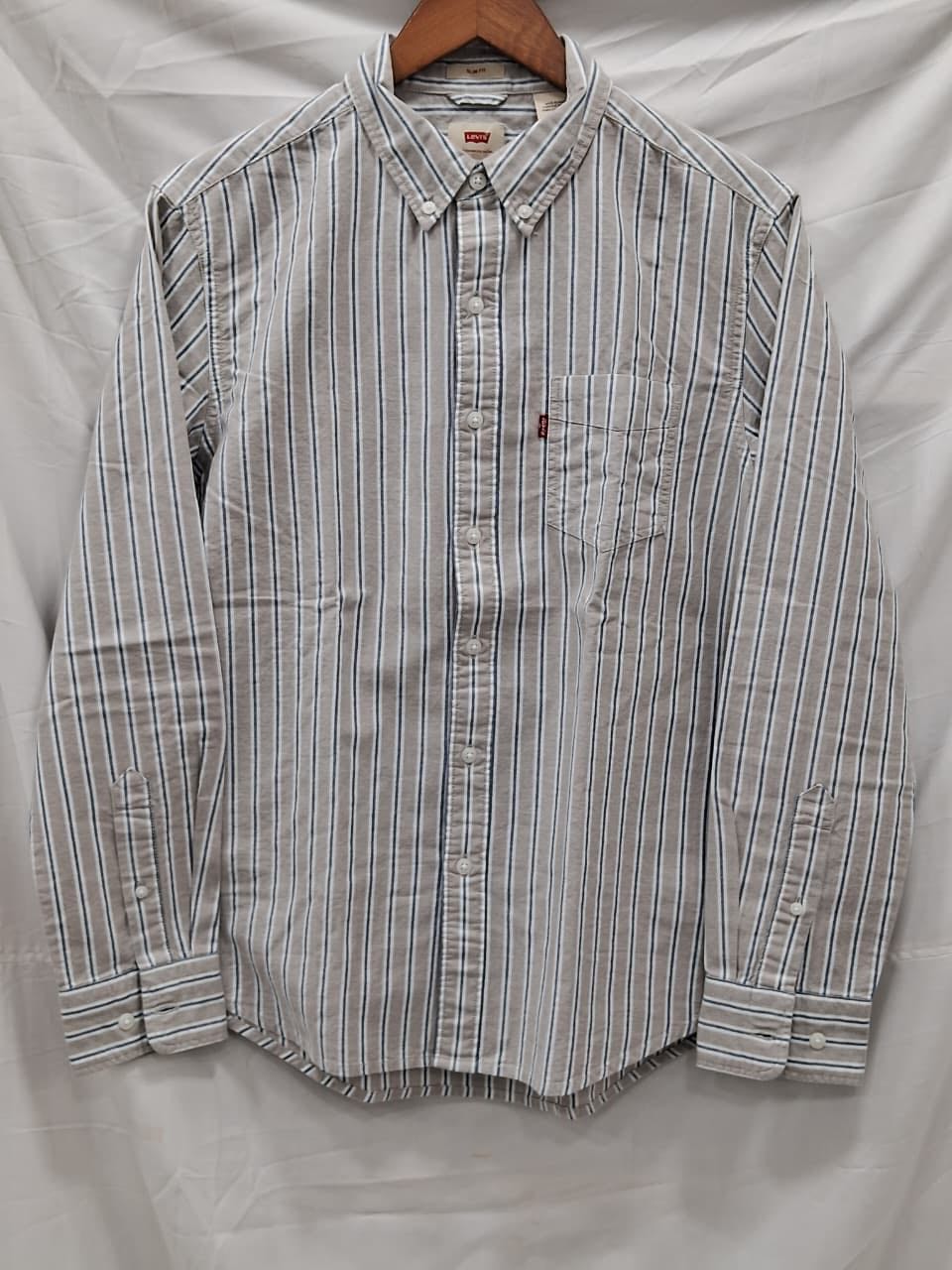
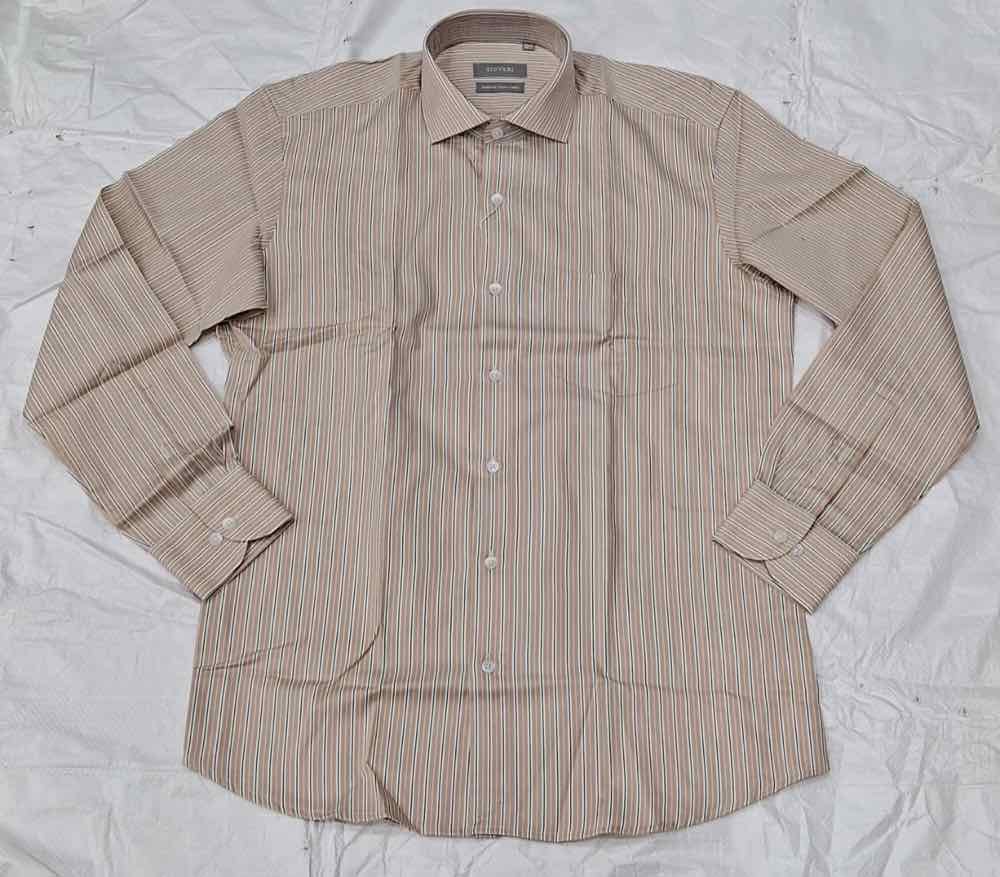
The classic office shirt is the backbone of men’s professional dressing: a structured collar, a clean front, a straight placket and proportions that never look dated. It is the shirt you can wear to an interview, a quarterly review or a client lunch and feel equally correct in each.
- AStyling characteristics
- Point or semi-spread collars, a single or no chest pocket, barrel cuffs and understated colours — white, pale blue, soft stripes.
- BFit
- Usually cut with balanced room through the chest and a straight body; the shoulder seam should still meet the shoulder edge.
- CFabric
- Smooth cottons such as poplin and fine twill keep the crisp line; Oxford weaves feel slightly more relaxed.
- DProfessional settings
- Formal offices, interviews, reviews, banking and consulting environments, ceremonies.
- ETrouser coordination
- Charcoal, navy, mid-grey and beige formal trousers; leather belt matched to the shoes.
- FPractical recommendation
- Own at least two in white and pale blue. They are the shirts you will reach for whenever the dress code is unclear.
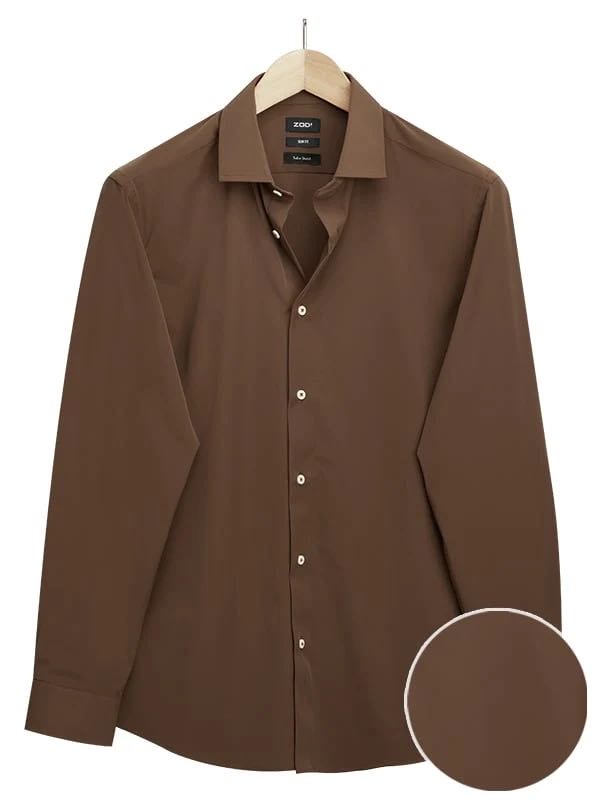
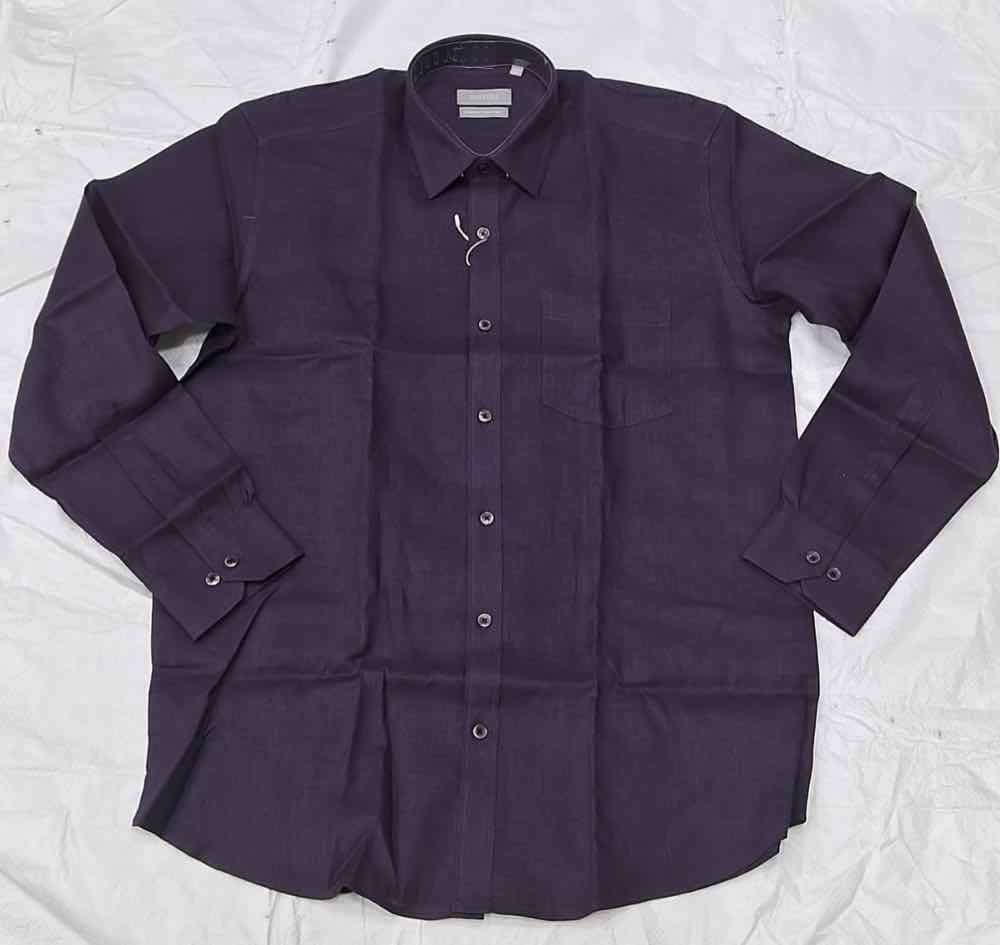
Plate 02 / 10 · Fit
Slim Fit Office Shirts
Slim fit shirts are tailored closer to the body through the chest, waist and sleeves. The result is a clean, contemporary silhouette with very little excess fabric — sharp under a jacket and neat when worn on its own.
- AStyling characteristics
- Narrower sleeves, a shaped waist and often a shorter body; modern collars such as cutaway or semi-spread.
- BFit
- Close but never tight. If buttons pull or fabric creases in an X across the front, the size or the cut is wrong.
- CFabric
- Cottons with a little stretch improve comfort and movement; lighter weaves avoid a clingy look in warm weather.
- DProfessional settings
- Contemporary offices, client meetings, presentations, networking and evening events.
- ETrouser coordination
- Slim or tapered formal trousers and chinos; avoid wide or pleated trousers that unbalance the outline.
- FPractical recommendation
- Sit down and reach forward when trying one: a good slim fit stays smooth in motion, not only when standing still.
Plate 03 / 10 · Fit
Regular Fit Office Shirts
Regular fit offers a straight, relaxed line from shoulder to hem. It is the most comfortable choice for long working days, commutes and climates where airflow matters — while still looking composed and professional.
- AStyling characteristics
- Straight side seams, comfortable armholes and a traditional length that stays tucked.
- BFit
- More room through chest and waist than slim fit, without dropping the shoulder seam or ballooning at the belt.
- CFabric
- Breathable cottons, Oxford and lighter blends suit the easy cut and warm-weather wear.
- DProfessional settings
- Everyday office wear, travel days, long conferences, field visits and desk-heavy weeks.
- ETrouser coordination
- Straight-leg formal trousers and chinos in navy, grey, khaki and charcoal.
- FPractical recommendation
- A regular fit works best tucked with a belt; keep the tuck neat by pulling excess fabric to the side seams.
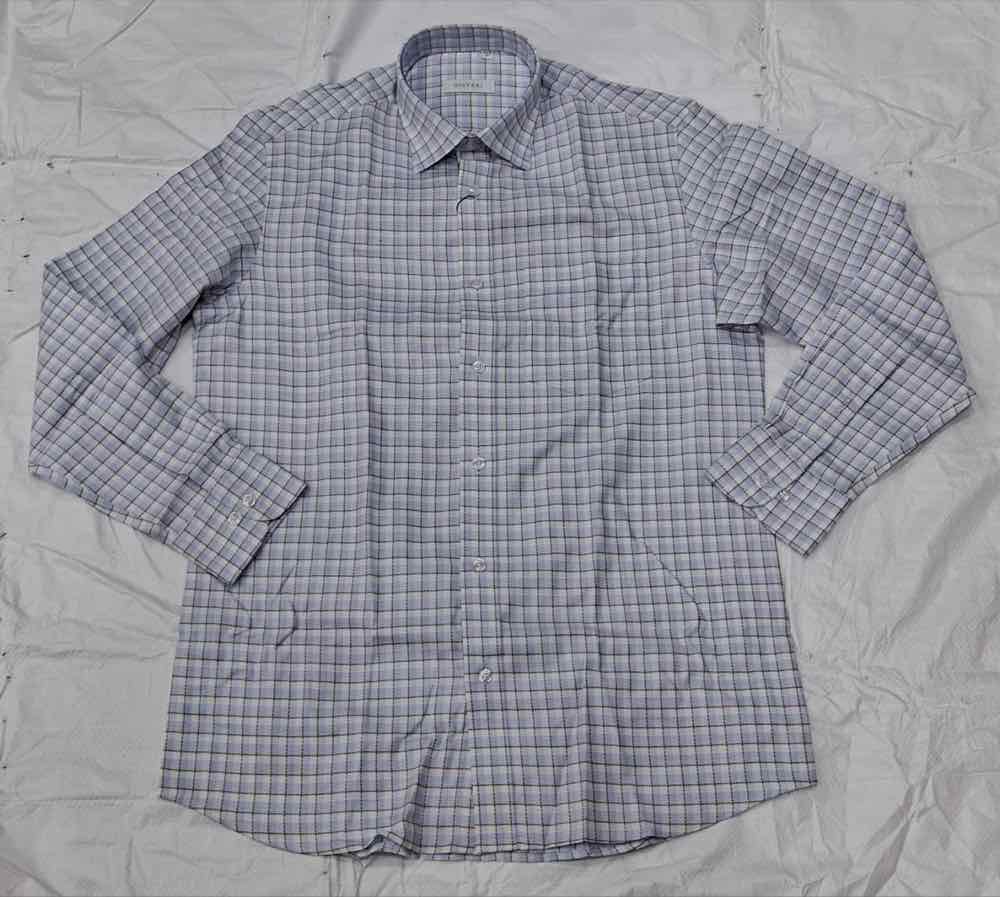
Plate 04 / 10 · Fit
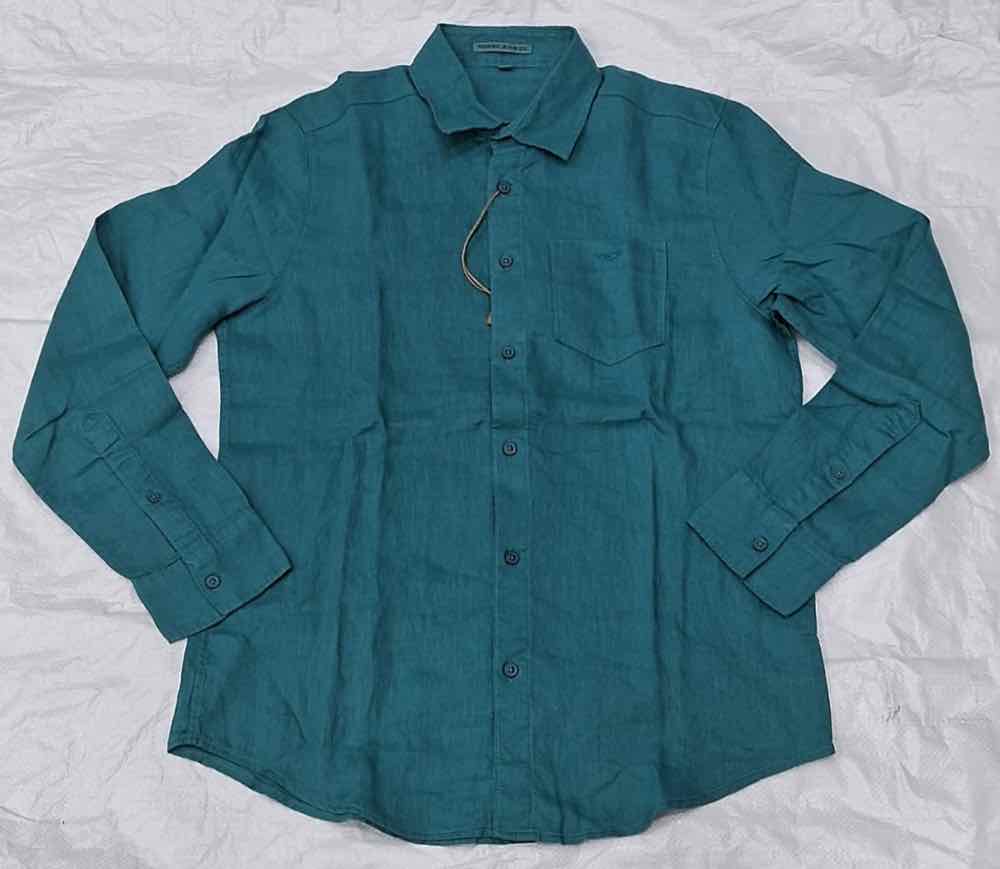
Contemporary Office Shirts
Contemporary shirts sit between slim and regular: gently shaped at the waist, with modern proportions and a little more ease than a slim cut. They suit a wide range of builds and today’s more flexible offices.
- AStyling characteristics
- Modern collar shapes, cleaner plackets and richer colours such as olive, teal and deep blue alongside classic whites.
- BFit
- Light waist suppression with comfortable chest room — tailored enough to look intentional untucked on business-casual days.
- CFabric
- Medium-weight cottons, twills and blends that drape smoothly over the shaping.
- DProfessional settings
- Hybrid workplaces, creative and technology offices, team meetings and networking events.
- ETrouser coordination
- Tapered formal trousers, chinos and dark tailored denim where the dress code allows.
- FPractical recommendation
- Choose one contemporary shirt in a colour beyond white and blue: it adds range without leaving professional territory.
Plate 05 / 10 · Colour
White Office Shirts
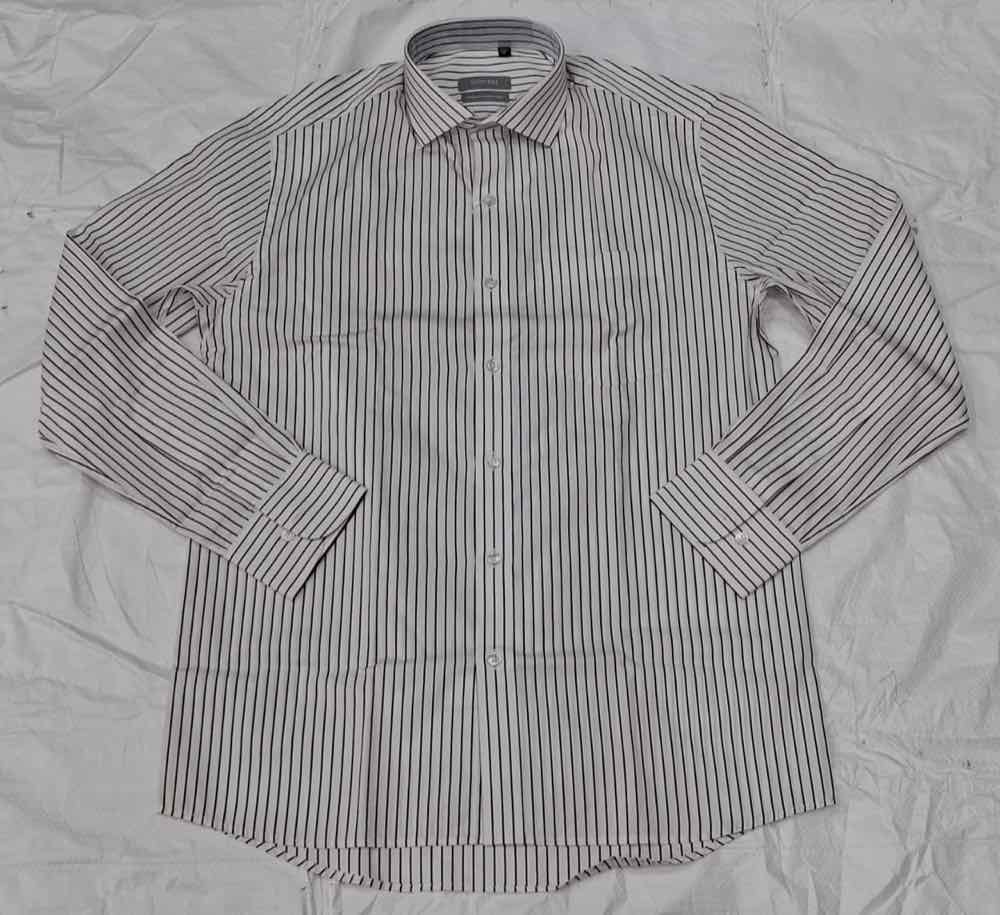
The white shirt is the most formal and most versatile shirt a man can own. It works with every suit, every tie and every trouser colour, and it frames the face with light. Fine woven stripes or textures keep the formality while adding quiet depth.
- AStyling characteristics
- Plain, textured (dobby, twill) or with a hairline stripe; a firm collar that holds a tie.
- BFit
- Any fit works, but white highlights excess fabric — a neat fit looks noticeably sharper.
- CFabric
- Denser weaves are less transparent; poplin looks crisp, twill hides creases, Oxford feels relaxed.
- DProfessional settings
- Interviews, board meetings, formal presentations, ceremonies and evening corporate events.
- ETrouser coordination
- Everything: navy, charcoal, grey, black, beige. Navy or charcoal is the most formal pairing.
- FPractical recommendation
- Keep one white shirt reserved for important days, freshly pressed. White shows wear first, so rotate it carefully.
Plate 06 / 10 · Colour
Blue Office Shirts
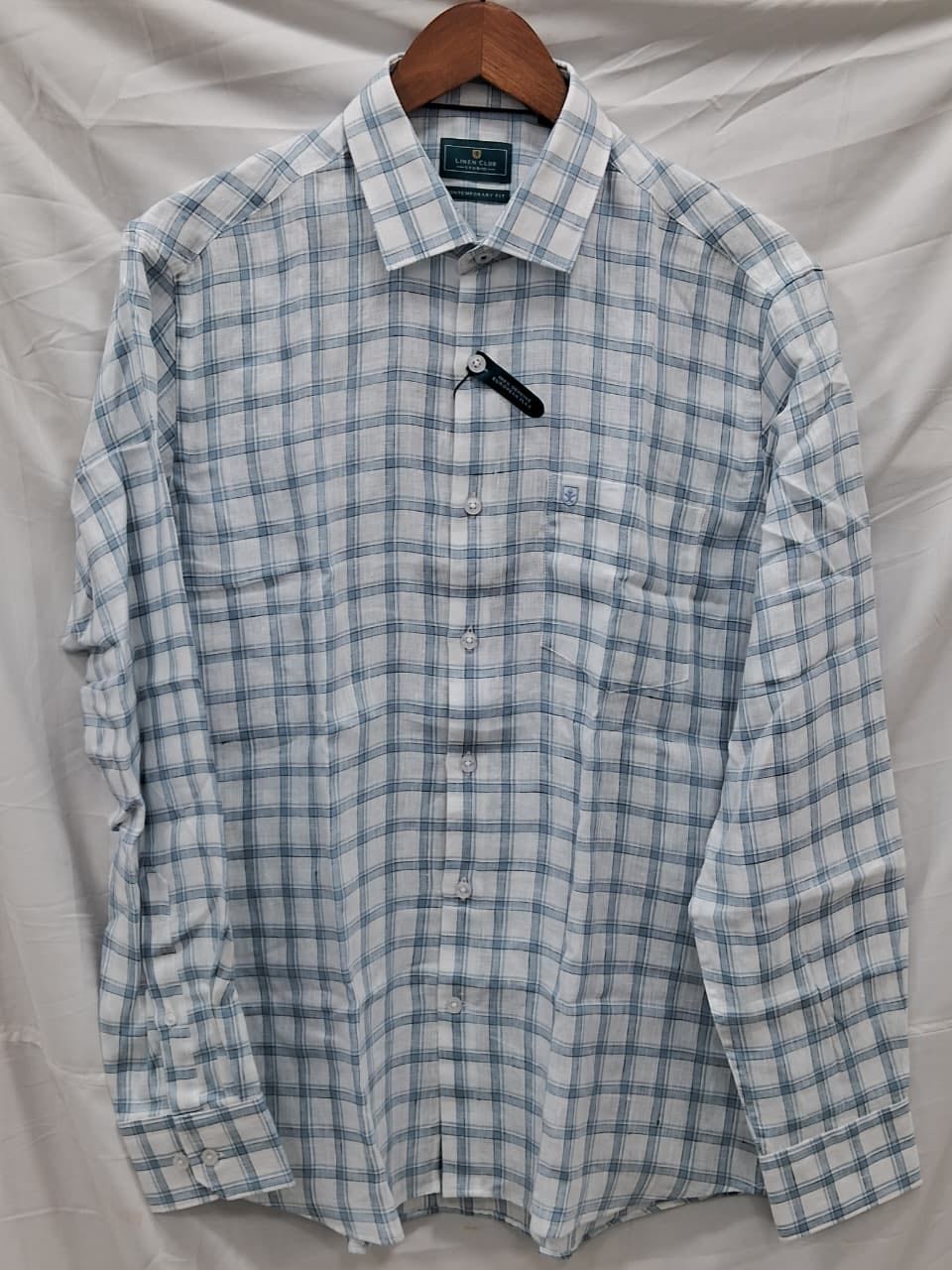
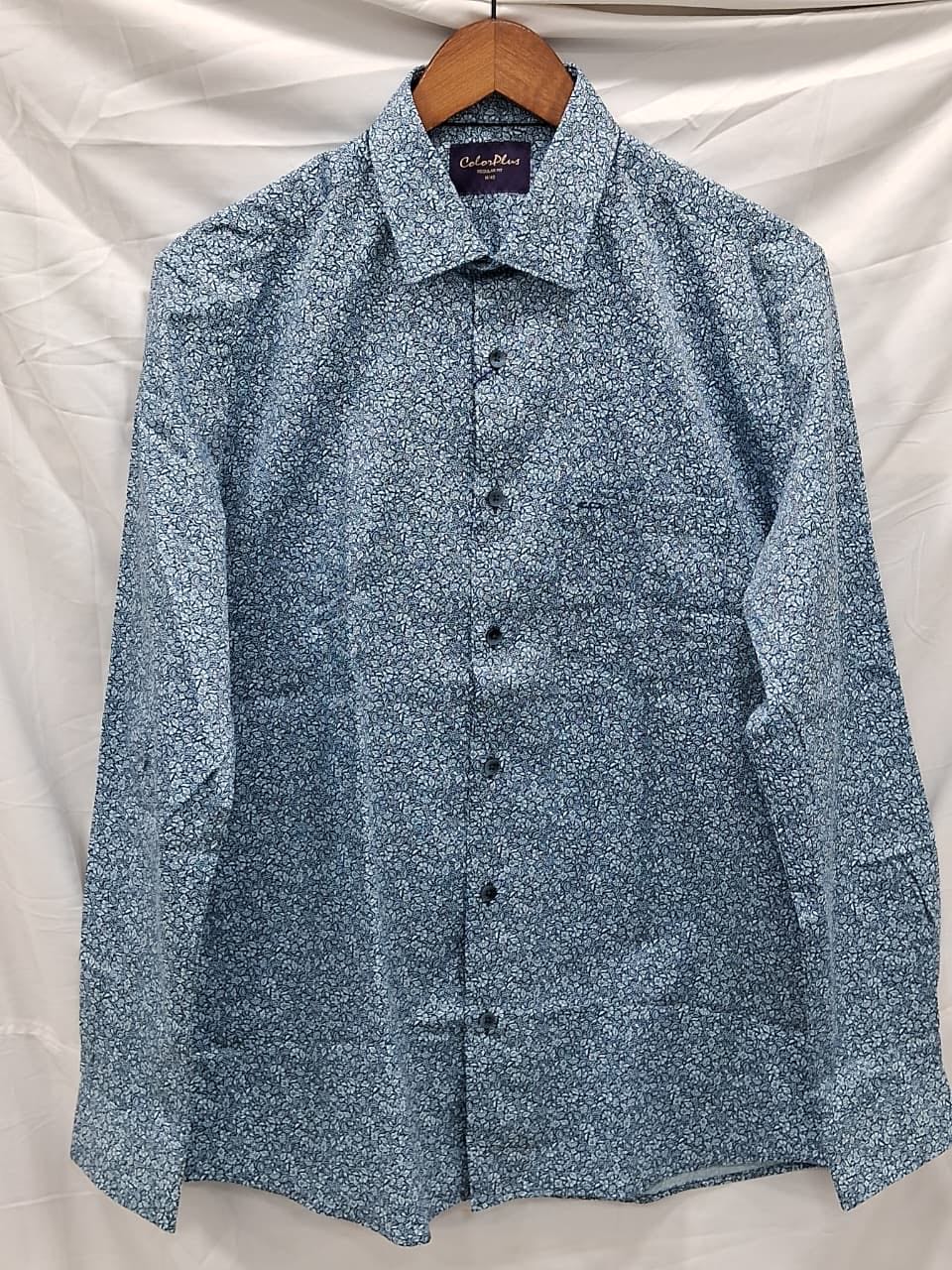
Blue is the everyday colour of professional life. Pale blue, sky blue and blue checks look calm and approachable, flatter most complexions and coordinate with nearly every trouser in a working wardrobe.
- AStyling characteristics
- Solid pale blue, end-on-end, fine checks, micro prints and blue-and-white stripes.
- BFit
- Available in every fit; choose by build and by how you wear it (tucked or untucked).
- CFabric
- Oxford, poplin, chambray-style weaves and linen blends all suit blue well.
- DProfessional settings
- Daily office wear, client calls, video meetings, travel and conferences.
- ETrouser coordination
- Navy, grey, charcoal, beige and khaki; brown shoes for warmth, black for formality.
- FPractical recommendation
- If you buy only one coloured shirt, make it pale blue. It is more forgiving of a long day than white.
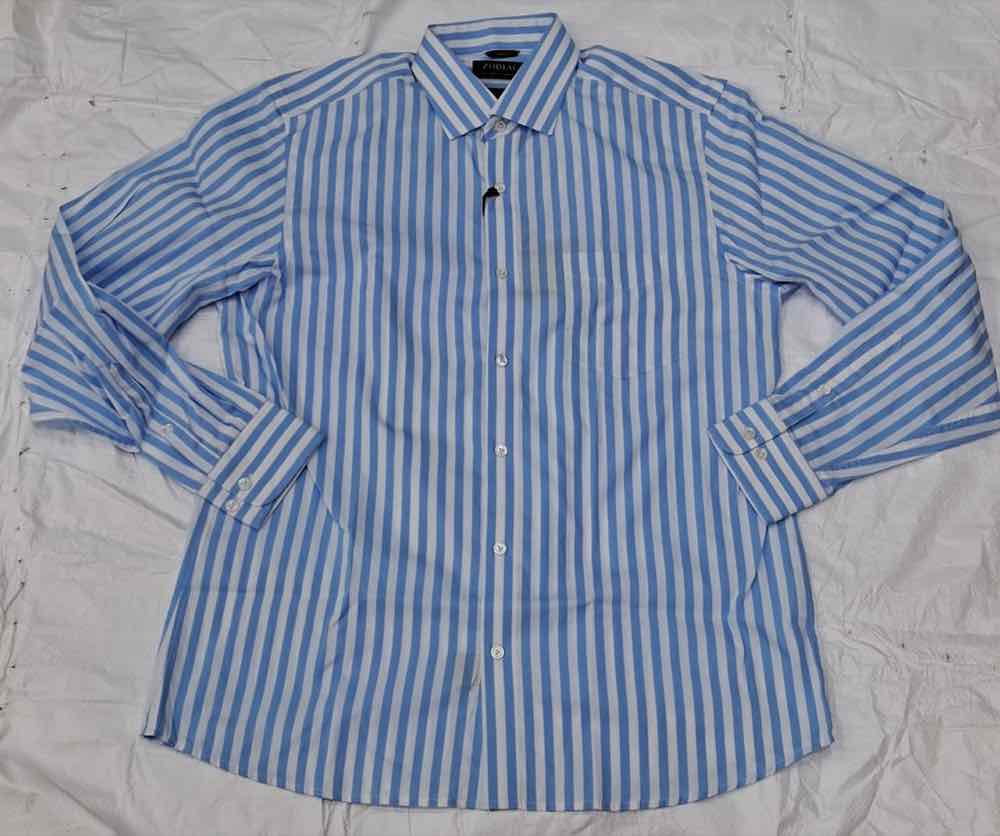
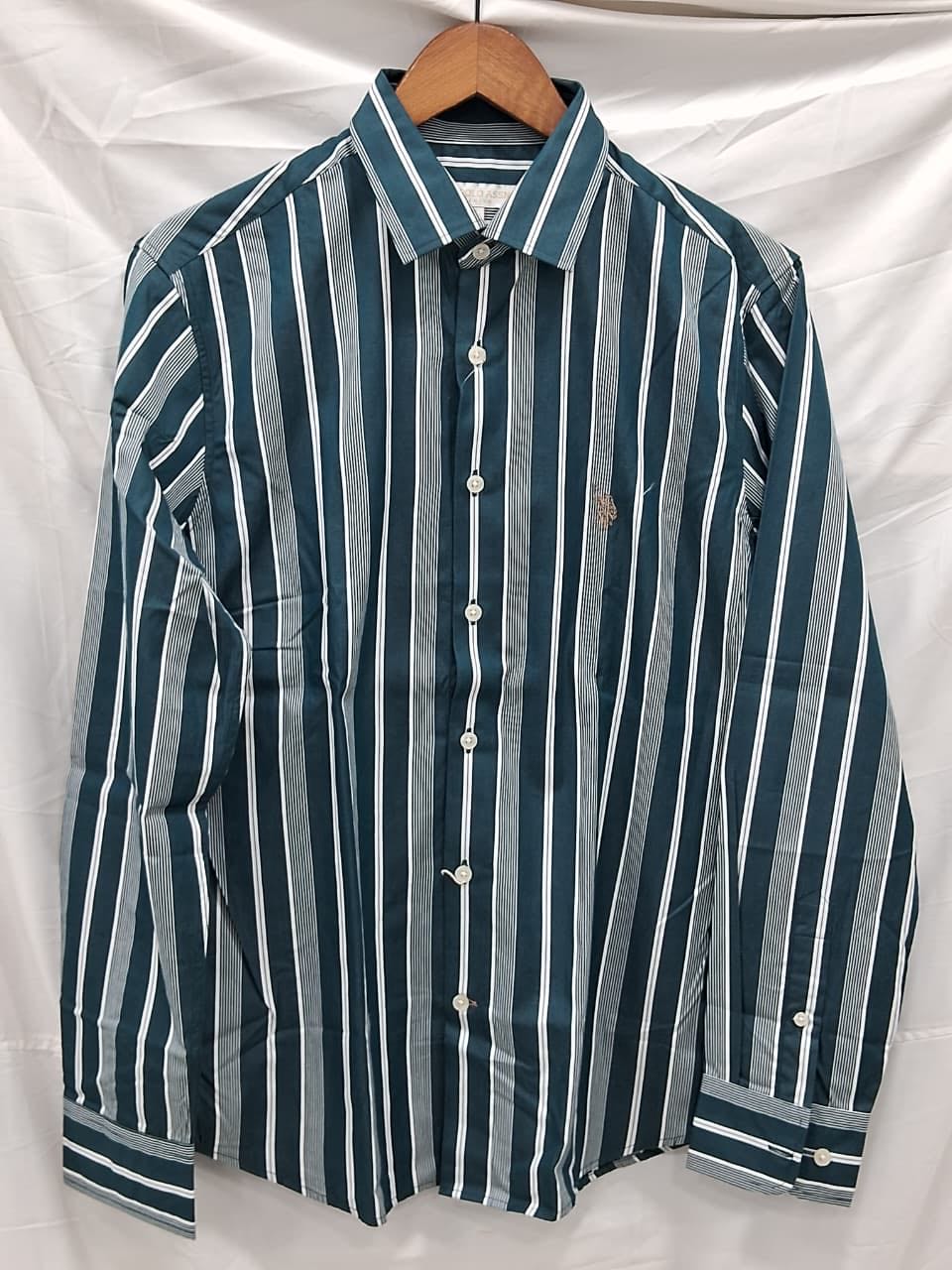
Plate 07 / 10 · Pattern
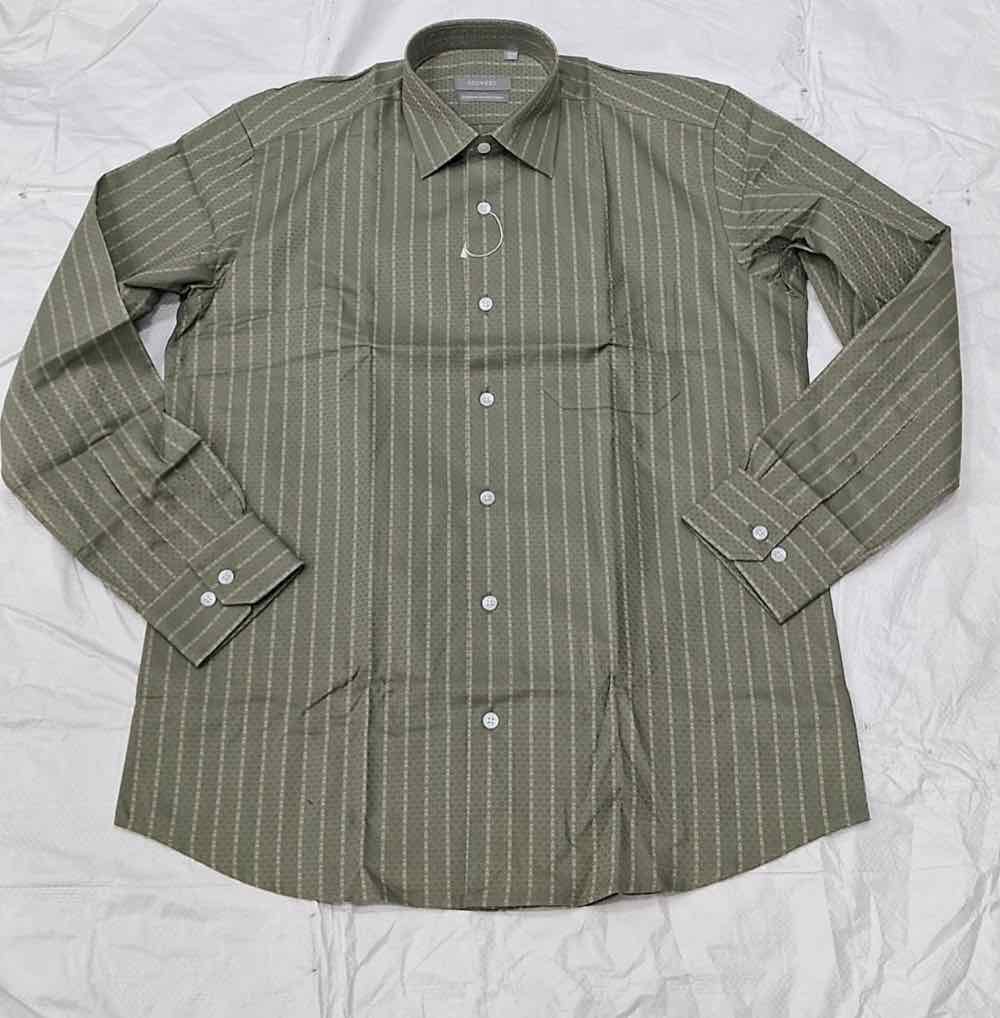
Striped Office Shirts
Stripes bring structure and rhythm to an office outfit. Fine stripes and pinstripes read as polished and formal; bolder bengal stripes feel confident and modern. Vertical lines also lengthen the torso visually.
- AStyling characteristics
- Hairline, pinstripe, candy, bengal and multi-colour stripes, usually on white or pale grounds.
- BFit
- Stripes reveal fit: they should run straight; bending stripes across the chest or waist signal a poor fit.
- CFabric
- Poplin and twill give crisp stripes; linen and slub cottons soften them for warm days.
- DProfessional settings
- Fine stripes for formal meetings; bolder stripes for everyday office and business-casual days.
- ETrouser coordination
- Solid trousers only; pick up one colour from the stripe for a coordinated look.
- FPractical recommendation
- With a tie, change the scale: a solid or a clearly larger pattern than the stripe avoids visual vibration.
Plate 08 / 10 · Pattern
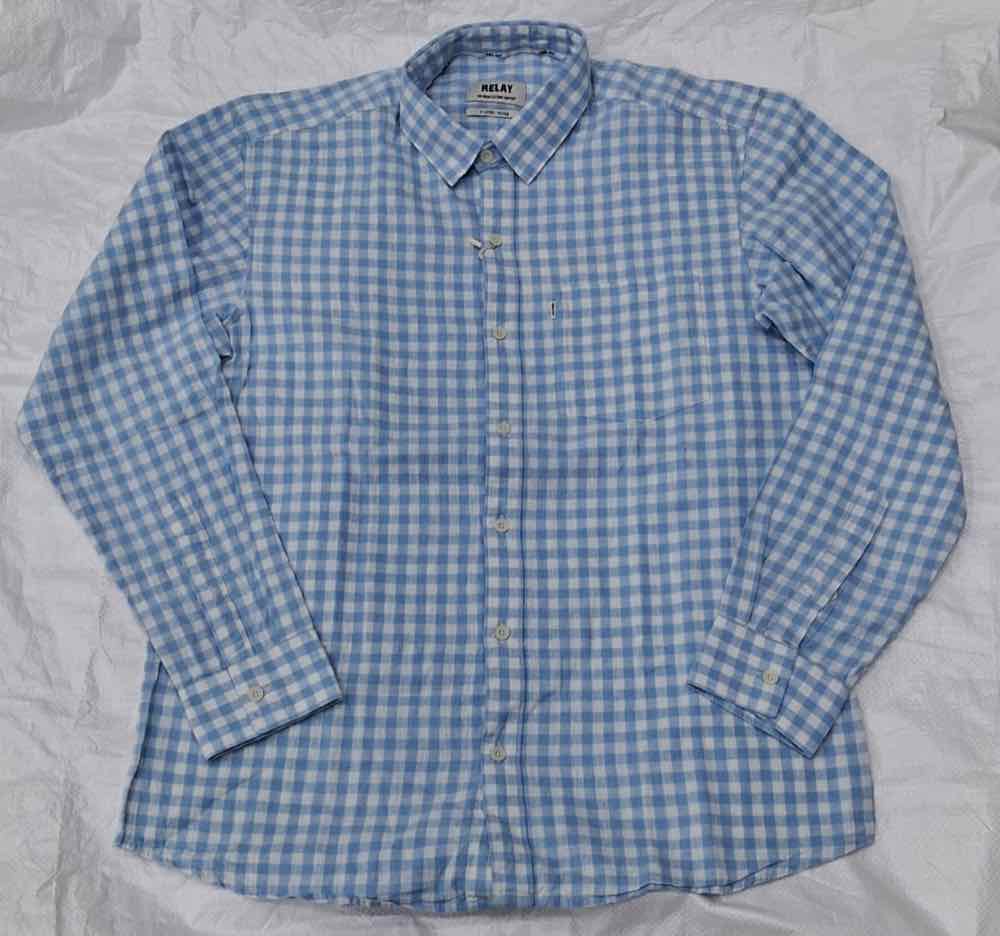
Checked Office Shirts
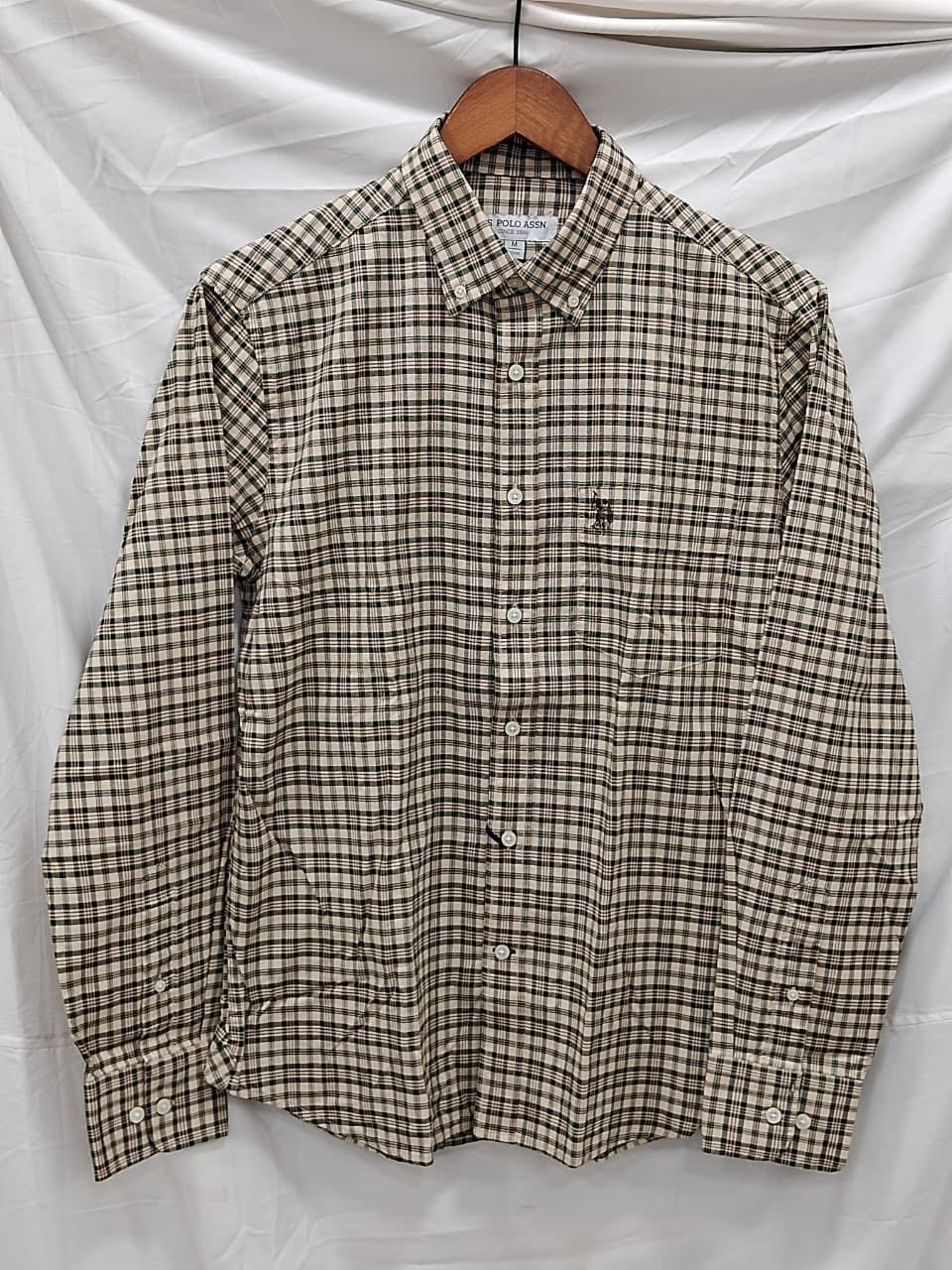
Checks add warmth and personality to professional dressing. Small, tonal checks — mini-checks, tattersall, gingham — keep a shirt office-appropriate; larger checks and plaids move it toward business casual.
- AStyling characteristics
- Gingham, tattersall, windowpane and mini-checks; button-down or spread collars.
- BFit
- A neat fit keeps the grid looking orderly; loose fabric distorts the check and looks untidy.
- CFabric
- Cottons and cotton blends; brushed or Oxford finishes feel more casual.
- DProfessional settings
- Everyday office, internal meetings, Fridays, travel and smart-casual events.
- ETrouser coordination
- Plain trousers in navy, grey, khaki or stone; avoid patterned trousers with checks.
- FPractical recommendation
- The smaller and more tonal the check, the more formal the shirt. Choose small checks for weekday rotation.
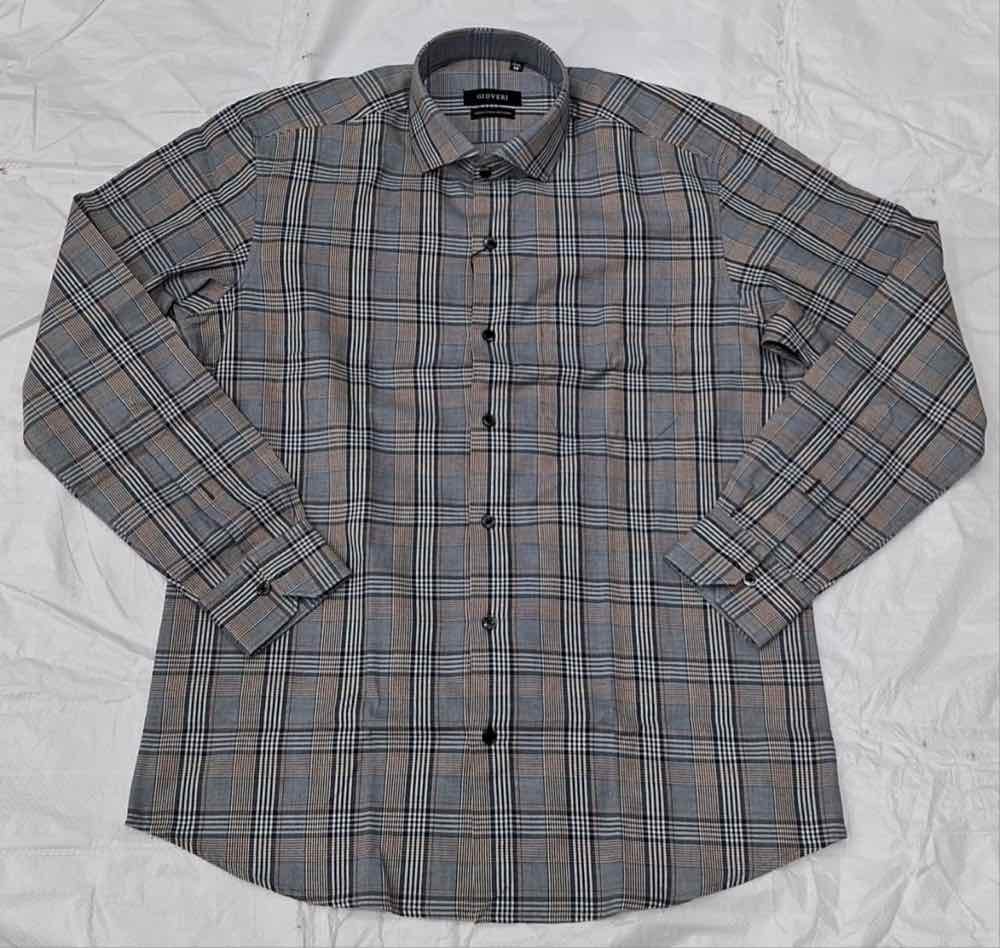
Plate 09 / 10 · Colour
Solid Colour Office Shirts
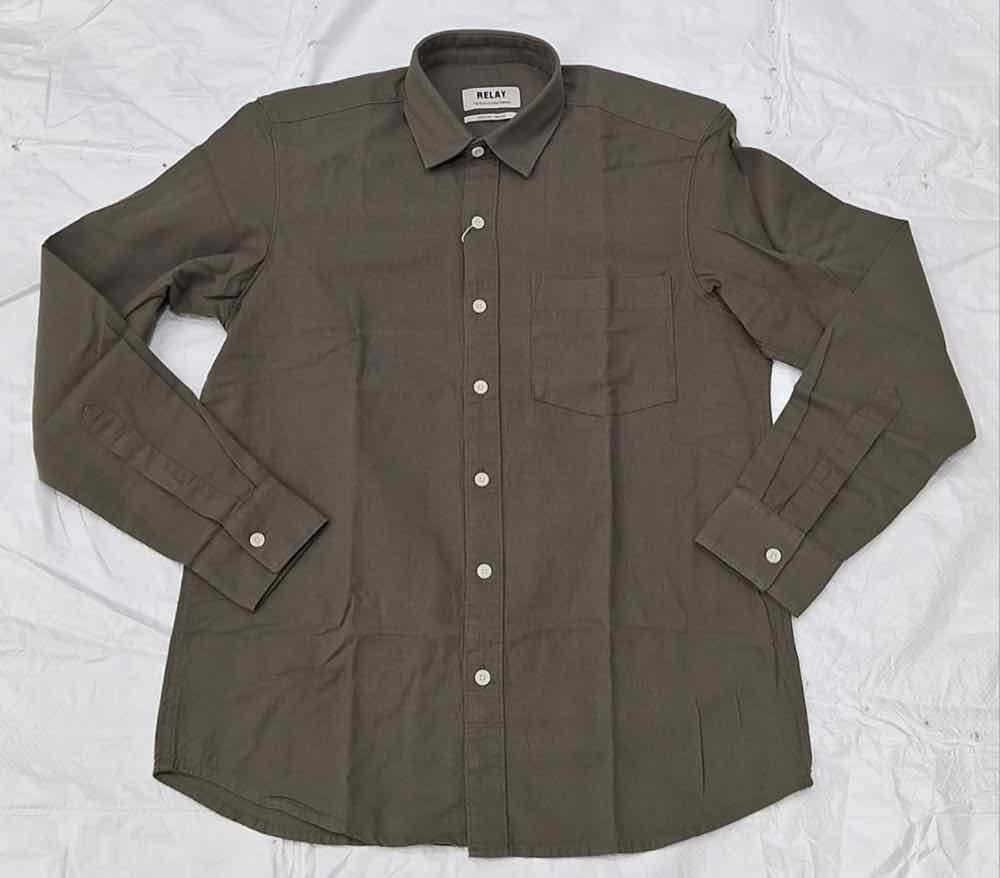
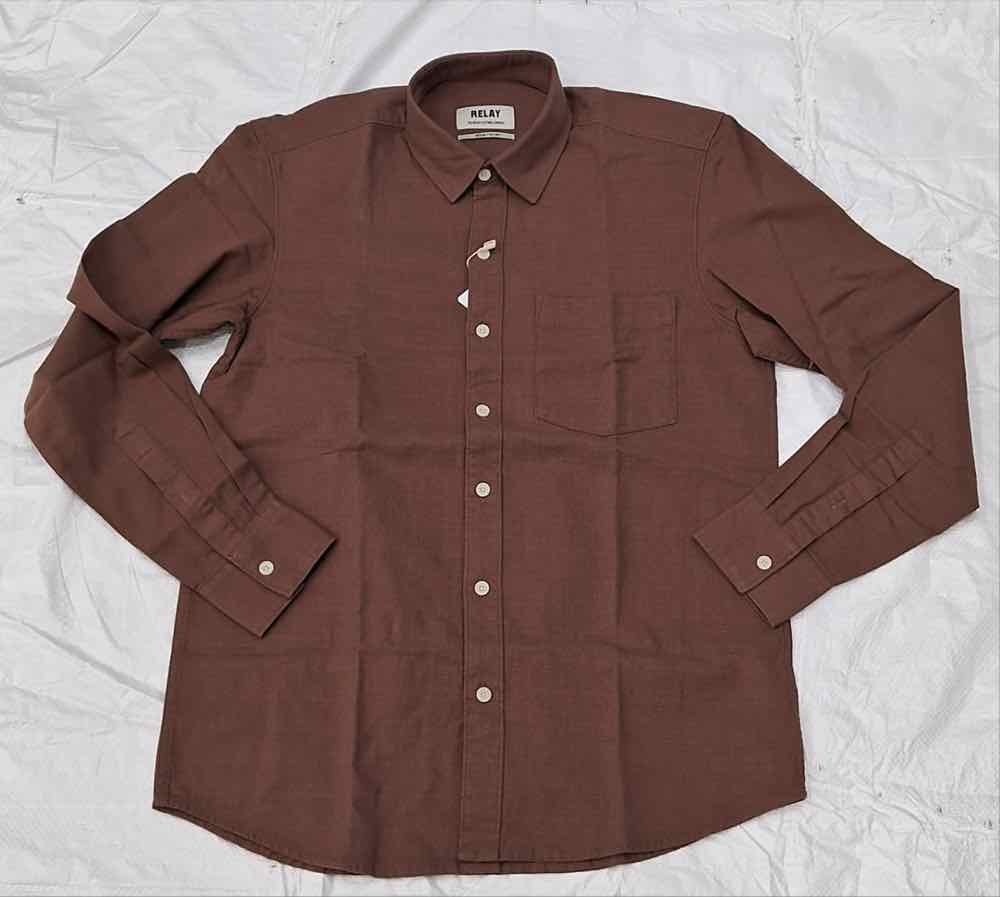
Solid shirts in colours beyond white and blue — olive, brown, teal, maroon, grey — give a wardrobe depth while keeping the calm of a single tone. They are easy to coordinate and especially effective in smart-casual settings.
- AStyling characteristics
- One clear colour, often with a subtle weave texture; clean collars and minimal detailing.
- BFit
- Solids show silhouette clearly, so fit matters even more than with patterns.
- CFabric
- Textured cottons, twills and linen blends add depth to a single colour.
- DProfessional settings
- Business-casual offices, team days, events and evening engagements; darker solids suit after-hours.
- ETrouser coordination
- Neutral trousers: beige, stone and grey with earthy colours; navy and charcoal with lighter solids.
- FPractical recommendation
- Match the depth of the shirt to the occasion: lighter solids by day, deeper solids for evenings.
Plate 10 / 10 · Construction
Full Sleeve Office Shirts
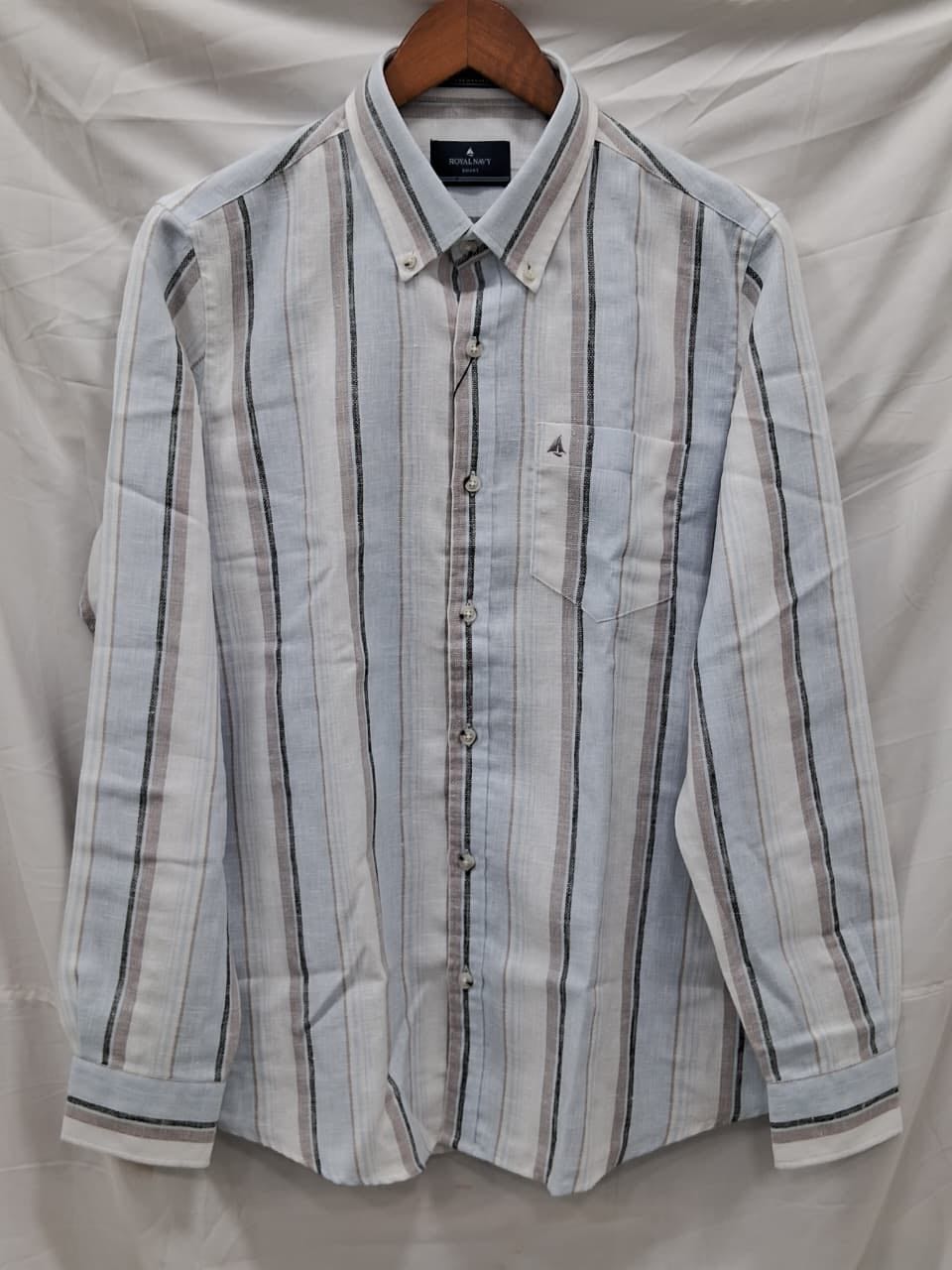
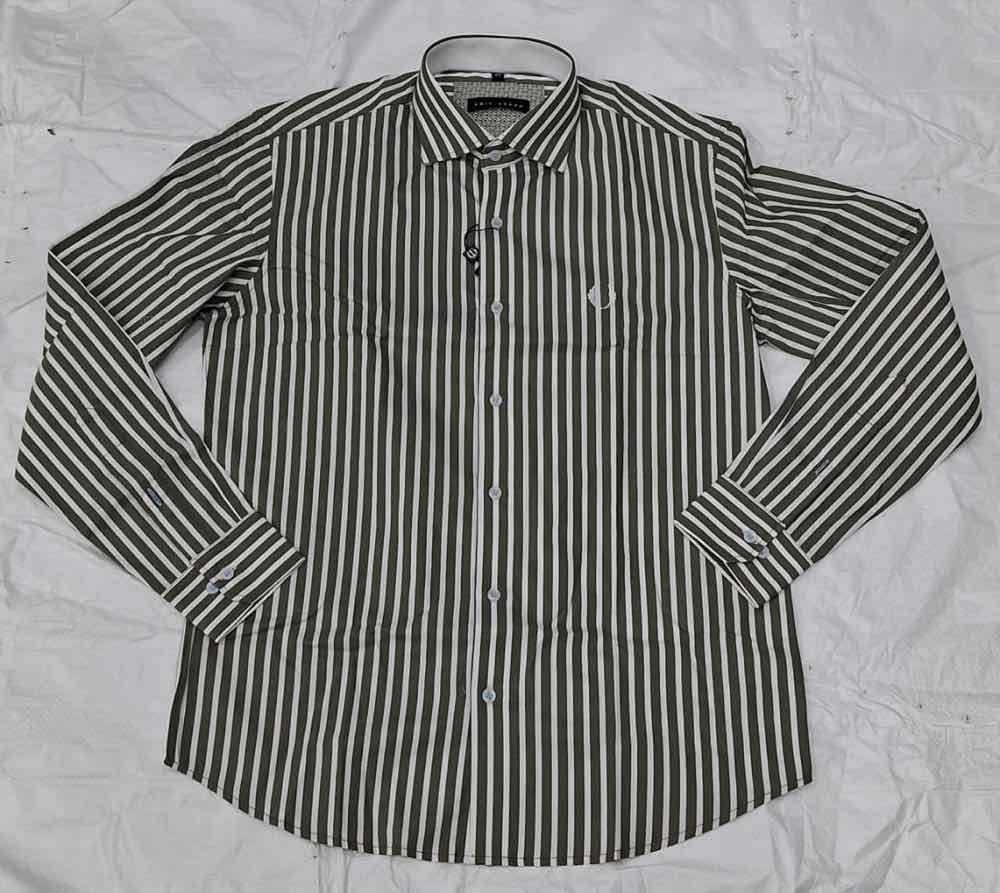
Full sleeves are the standard for professional dressing. They look finished under a jacket, frame a watch neatly and can be rolled with precision when the day becomes informal — giving one shirt two distinct personalities.
- AStyling characteristics
- Barrel or adjustable two-button cuffs, sleeve plackets that open for rolling.
- BFit
- The cuff should reach the wrist bone; the sleeve should not be so narrow that a watch cannot slide under it.
- CFabric
- Lightweight cotton and linen keep full sleeves comfortable in humid weather.
- DProfessional settings
- All formal and semi-formal settings, air-conditioned offices and evening events.
- ETrouser coordination
- Every formal trouser; rolled sleeves pair naturally with chinos on relaxed days.
- FPractical recommendation
- Roll in two or three neat folds to just below the elbow — never above it in a professional setting.